
Tarot Cards – Free Online Reading
Draw tarot cards for reflection, or explore the meanings of all 78 Rider-Waite-Smith cards. Bring a question and choose a free reading. No signup needed.
Questions and cards are processed in your browser.
Automated readings use a random draw and written card meanings. Treat them as reflection prompts, not predictions or evidence about another person.
Center your thoughts
Take a slow breath. When you are ready, shuffle the cards and explore a fresh perspective on your question.
Choose 3 cards from the deck
0 of 3 selectedSwipe or scroll horizontally · Tap any card to place it into your spread
Your Reading Spread
Cards drawn from the deck land here in order.
Past experiences, decisions, and lessons that may relate to the present situation.
The circumstances and choices that deserve your attention now.
A possible direction to consider alongside your choices and circumstances.
Your Reading
What These Cards Mean Together
What To Reflect On
Your Cards
Where would you like clarity next?
Deepen your reflection with a specialized reading or start a fresh session.
Choose your starting point
Free Tarot Card Readings
One moment of reflection, or a closer look.
How to Use Tarot Cards Online
You can use the free tarot cards on this page without owning a deck. Choose a question, shuffle, then draw cards to reveal their written interpretations. The draw is randomized, and the meanings change with each card’s position and orientation.
For a quick starting point, choose a one-card daily reading. Use a three-card spread to explore a situation in more detail, or compare all free online tarot reading spreads. No account or payment is required.
The card library
Explore All 78 Tarot Cards
Explore tarot card meanings through imagery and context. Upright interpretations introduce a card’s central themes; reversed interpretations explore how those themes may be blocked, excessive, or experienced differently.
Explore all 78 card meanings →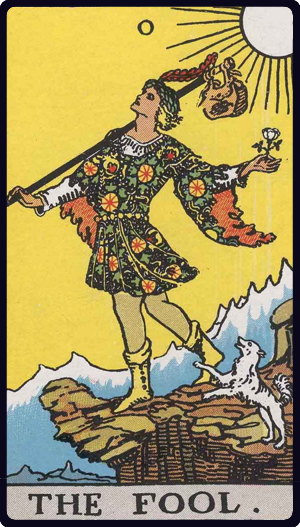
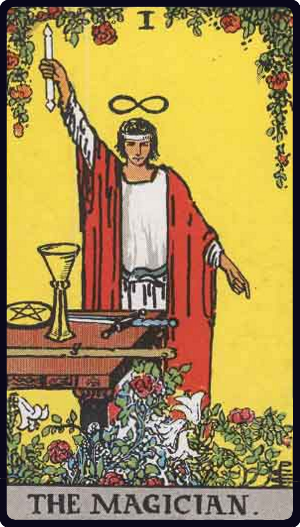
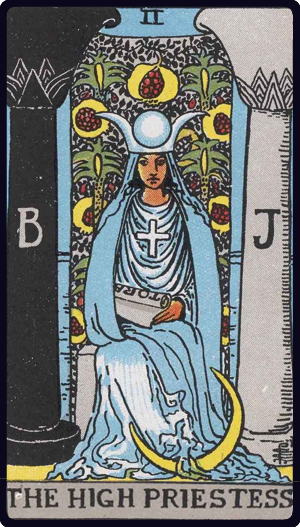
Major and Minor Arcana Tarot Cards
The 78-card deck contains 22 Major Arcana tarot cards, which explore broad life themes, and 56 Minor Arcana cards, which focus on everyday experiences. The four suits offer different perspectives: Cups for feelings and relationships, Wands for initiative and creativity, Swords for thought and communication, and Pentacles for resources and practical commitments.
For example, the Star tarot card explores hope and renewal, while the Moon brings attention to uncertainty and intuition. Read each card alongside your question and its position in the spread.
Learn About Tarot Cards
Start with how to read tarot cards, compare Major and Minor Arcana, or explore upright and reversed interpretations. Each guide includes a practical way to apply what you learn.
Before you begin
How Tarot Cards Work
A tarot spread gives each card a role, such as past influences, a present concern, or a possible next step. Combine the image, meaning, and position with your question. The cards offer a perspective; you decide what fits your experience.
Our approach →Tarot questions, answered
Frequently Asked Questions About Tarot Cards
Learn how to read tarot, understand the 78-card deck, and explore common questions about card meanings and personal practice.
How to read tarot cards?
To read tarot cards, choose an open-ended question, shuffle your deck, and draw one card or a simple three-card spread. Look at each card’s imagery, consult its meaning, and connect it to your question and spread position. Write down your interpretation and use it as a prompt for reflection rather than a fixed prediction.
Read the beginner’s tarot guide →How many cards are in a tarot deck?
A standard tarot deck has 78 cards: 22 Major Arcana and 56 Minor Arcana. The Minor Arcana has four suits—Cups, Wands, Swords, and Pentacles—with 14 cards in each suit. Some modern or specialty decks include extra cards.
What are tarot cards?
Tarot cards are illustrated cards used for card games, symbolic interpretation, and personal reflection. In the Rider-Waite-Smith tradition, each card uses figures, objects, and scenes to represent themes such as change, relationships, choices, or growth.
What is a tarot reading?
A tarot reading is the interpretation of cards drawn and arranged in a spread around a question or theme. A reader considers the card meanings, their positions, and how they relate to one another. Readings may offer a new perspective, but they cannot establish facts about the future or another person’s private thoughts.
What is tarot?
Tarot is a card system that originated in Europe as a game and later became associated with divination and spiritual exploration. Today, people also use tarot for storytelling, journaling, and self-reflection. All Tarot Read approaches it as a tool for exploring ideas and choices.
What are the 12 main tarot cards?
There is no standard group of 12 main tarot cards. The main symbolic sequence is the 22-card Major Arcana, numbered 0 through 21 in Rider-Waite-Smith decks. A reference to 12 cards may describe a particular spread, a zodiac association, or a selected learning set rather than the structure of a standard deck.
What are the names of the tarot cards?
The 22 Major Arcana are The Fool, The Magician, The High Priestess, The Empress, The Emperor, The Hierophant, The Lovers, The Chariot, Strength, The Hermit, Wheel of Fortune, Justice, The Hanged Man, Death, Temperance, The Devil, The Tower, The Star, The Moon, The Sun, Judgement, and The World. The other 56 cards are Ace through Ten, Page, Knight, Queen, and King in each of four suits: Cups, Wands, Swords, and Pentacles. Names can vary by deck.
Explore every card in the 78-card library →What do tarot cards do?
Tarot cards provide symbols and stories that can help you examine feelings, assumptions, and possible choices. Their usefulness comes from how you reflect on and interpret them. Cards do not make decisions for you, control events, or provide verified information about hidden situations.
What is the 13 major tarot card?
The Major Arcana card numbered XIII (13) is Death. In tarot interpretation, it usually represents endings, transition, and making room for something new, rather than predicting a physical death. Because The Fool is numbered 0, Death is the fourteenth card when counting from The Fool.
What’s the most powerful tarot card?
There is no universally most powerful tarot card. The Magician can symbolize agency and skill, Strength can represent courage and patience, and The World can suggest completion. A card’s significance depends on the question, its position in the spread, and the surrounding cards.
Why does God forbid tarot?
This question reflects a religious interpretation rather than a belief shared by everyone. Many Christians understand biblical prohibitions on divination, such as Deuteronomy 18:10–12, to include using tarot to predict the future. Catholic teaching also rejects divination as conflicting with trust in God. The Bible does not name tarot cards specifically; views on their use vary across religious communities and individuals.
What is the most popular tarot card?
There is no universally established ranking of the most popular tarot card. The Fool, The Lovers, Death, and The Sun are recognizable examples, but preferences differ among readers and decks. A card’s popularity does not make its meaning more important in a reading.
How to read tarot?
Begin with a one-card daily reading and ask a question such as “What could I pay attention to today?” Describe the image before looking up its meaning, then connect the symbolism to your situation. As you become familiar with the deck, try three cards for situation, challenge, and advice, and read them together as a story.
Follow an illustrated three-card example →What should I ask my tarot cards?
Ask open-ended questions focused on your own choices, such as “What am I overlooking?”, “How can I approach this conversation?”, or “What is one practical next step?” Questions like these encourage reflection. Avoid treating a reading as proof of someone else’s feelings or as a guaranteed answer about future events.
Which is the luckiest tarot card?
The Sun is often interpreted as a positive card associated with joy, clarity, and vitality. Wheel of Fortune can symbolize changing circumstances, while the Nine of Cups can suggest satisfaction. No card guarantees luck or a particular outcome; its meaning depends on the reading’s context.
Is tarot reading real or fake?
Tarot is a real practice that people use for reflection, entertainment, or spiritual meaning. There is no reliable scientific evidence that tarot cards can predict the future or reveal hidden facts through supernatural powers. A reading can still feel meaningful as a way to explore your thoughts, but that does not establish predictive accuracy.
How do I activate my tarot card?
Tarot cards do not require activation. To begin, look through your deck, read its guidebook, shuffle, and draw a card with a clear question in mind. Some readers choose a personal ritual, such as a quiet moment or setting an intention, but this is optional and does not give the cards proven supernatural abilities.
Which is the highest card in tarot?
In the Rider-Waite-Smith Major Arcana, The World is the highest-numbered card at XXI (21), while The Fool is numbered 0. Within each Minor Arcana suit, the King is the highest court rank. These positions do not make a card inherently better in a reading, and rankings in tarot games depend on the game’s rules.
Is it okay to read your own tarot cards?
Yes, reading your own tarot cards is a common way to practice and reflect. Start with a clear question, record your first interpretation, and notice whether hopes or fears are shaping your reading. If repeated draws leave you confused or anxious, take a break and return to the practical information available to you.
How does a reading work?
Choose a topic or write a question, shuffle, and pick your cards. Each interpretation uses the card, its orientation, and its position in your chosen spread. The result is automated, with written meanings rather than a live reader.
Can tarot tell me what will happen?
Treat a reading as a reflection prompt, not a forecast or evidence of someone else’s thoughts. Keep what is useful, question what does not fit, and use real-world information when making decisions.
Do I need to share personal details?
No. Your name, gender, and question are optional and stay in the reading session in your browser. Site analytics record usage events, not these personal details. No account is needed.
What do reversed cards mean?
A reversed card is upside down. This guide offers an alternative interpretation, such as a delay, excess, or a shift in perspective. A reversal does not automatically mean something bad will happen.
Learn how to interpret reversed cards →